

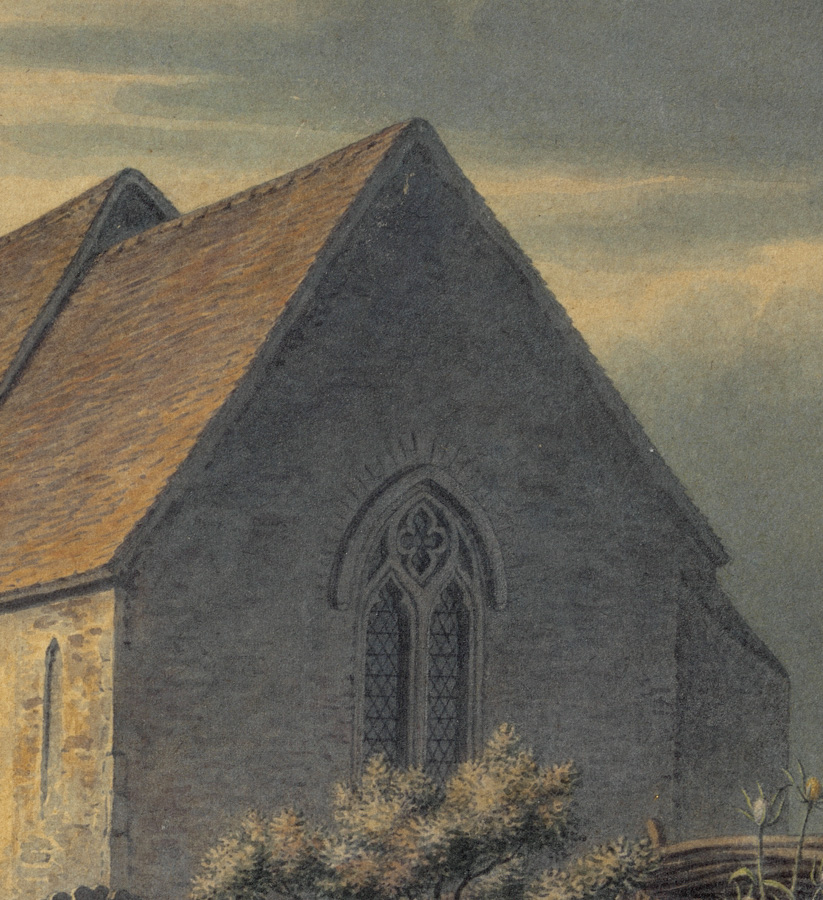


Discovering Old Churches
Mr. Hadden Turner
The roots of Christianity in England are ancient. The first missionary to arrive on English shores is reputed to have been St. Augustine of Canterbury, who through his ministry witnessed the conversion of the Anglo-Saxon King Ethelbert. The rest of his Kentish kingdom, in AD 597, duly followed. The foundation was now set for the rather rapid Christianization of the rest of the land we now call England and, barring the occasional period of regression (sadly including, at least in terms of church attendance, today), England has been a predominantly Christian land ever since.
The ancient advent of Christianity on this island has provided ample time for rich and varied traditions to develop and impressive churches to be erected. The most spectacular of these churches are the cathedrals, many of which took centuries to complete and required the labors of myriad local craftsmen, with each generation leaving its own distinctive marks. Time and many hands have created churches across England of immense beauty and endless variety. Indeed, England’s church history is world renowned, and millions of visitors come each year, both from home and abroad, to marvel at the hallowed walls.
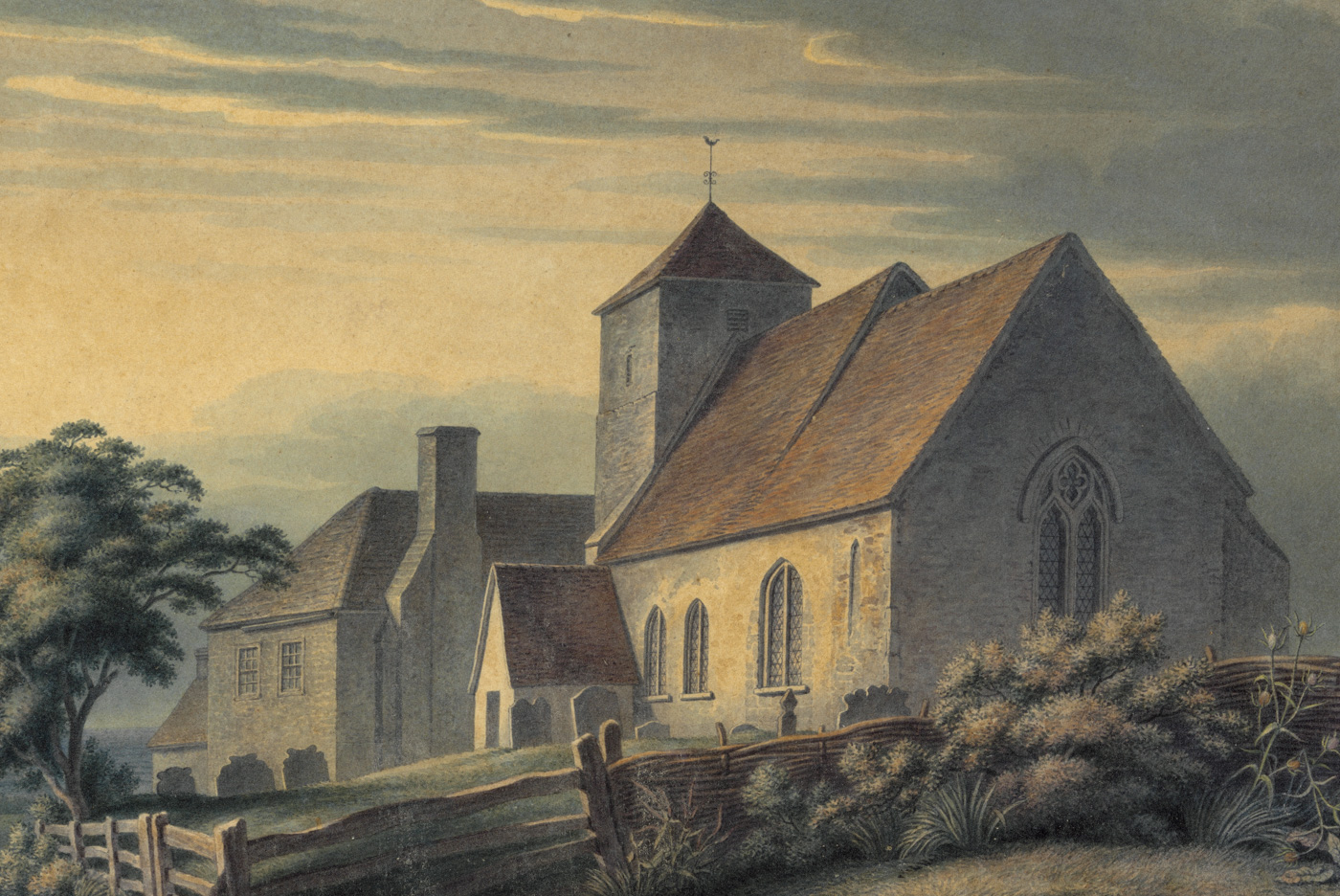
Though the cathedrals are breathtaking and attract the most visitors, the gem, for me, in the English church crown is the local parish church. In past centuries this was the beating heart of the community both socially and spiritually. Local people looked to such churches with pride; this was their parish church, the place where they worshiped and received spiritual instruction, the place where they married, the place where they would one day be buried. It is appropriate, then, that the parish church is often the most impressive and conspicuous building for miles around.
Though the cathedrals are breathtaking and attract the most visitors, the gem, for me, in the English church crown is the local parish church.
There are about thirteen thousand Anglican parish churches in England, most of them at least four hundred years old (and some of them over a thousand years old). Yet each church is somehow unique. Even two churches within a few miles of each other can be completely different: one may have a spire, the other a tower; one may be built with bricks, the other with flint. Inside, the differences only become greater.
This extensive variety in style, form, and structure is based on the intensely local nature of English life for most of its history. Almost all parish churches draw upon unique local resources in their construction and design. Building materials come from surrounding quarries and forests, local folk traditions are expressed in the craftsmanship and carvings, and even architectural styles often vary from county to county — hence the two relatively nearby churches that are yet built of different materials. All this helps the church complement the landscape (and the local culture) rather than imposing itself upon the scenery in the way many modern buildings do. It is as if the landscape has been designed for the church and the church for the landscape. Such churches are thus eminently localist buildings. If you want to understand an English town or neighborhood, then, it is best to start with its parish church.
Recently, I moved from one end of England to the other — from the southern lowlands to the northern uplands — and getting to know my new locale has become of pressing importance to me. I have left behind wooden shingle spires and brickwork churches of Essex, where I was born, and have exchanged them for the limestone towers and slate-roofed churches of the Yorkshire Dales. The change is stark if one takes the time to see. Noticing these differences has helped me begin to understand the place I now live — what makes it unique, the stories of its history, and what local traditions are expressed here.
One church in particular has become special to me, the church of my new hometown: St. Andrew’s, Sedbergh. Set amongst the cricket pitches and the prestigious buildings of the five-hundred-year-old Sedbergh School, this church has pride of place on the high street. It is neither large nor grand, but its thick walls and prominent tower exude a sense of strength and permanence, reminding the scholars of the famous school to keep worship at life’s center. The church, like most churches in this region, is built almost entirely of stone — sandstone, to be precise.
It is neither large nor grand, but its thick walls and prominent tower exude a sense of strength and permanence, reminding the scholars of the famous school to keep worship at life’s center.
The use of sandstone suggests that this must be the predominant geological feature of the area, and indeed this is so. The very town of Sedbergh itself stands upon a bed of sandstone. It is this same stone that forms the distinctive rolling fells (the Howgills), which constitute the town’s unique backdrop, and the same stone that is found in the drystone walls that bisect the landscape. There was no need to bring in stones from distant shores to build St. Andrew’s; stones from the local fells were enough for these walls of worship. The stones will indeed resound with praise.
Though I can appreciate much about St. Andrew’s, I am a novice in understanding these churches; there is much in the building that remains unintelligible to me. I struggle to distinguish between Norman and perpendicular architecture, I am unable to decipher what some of the engravings and carvings mean or represent, and I remain ignorant about many styles and structures of woodwork in the timber-framed roofs. I am still in the early years of studying church architecture, and I know from my longer-held hobbies that it takes time to master your subject: likewise with “church-reading.”
It will take many hours to become familiar with churches’ strange and ancient features, and their equally foreign-sounding names. It will take much study and many afternoons spent slowly visiting and admiring churches before I become adept at reading the architecture, styles, and traditions well. I will need much time spent both in books and in pews before I can begin to say that I understand St. Andrew’s.
But it’s even more than just that sort of learning. For the fact is that I am not yet really a Yorkshireman; I am not yet a local. To understand a church from a local point of view will take years not merely of study, but of living here in this landscape and in this community. And that is perhaps the greater secret of England’s parish churches, greater even that the historical clues and artistic value of their physical details. The parish church is usually old, but also often a still-living thing; it is intertwined with the local community in ways that can’t be grasped just by visiting. So this will be my purpose in the coming years: to better understand architectural styles, and such things, yes, but also to ponder how the churches here reflect and affect their people, and vice versa. This includes, too, the people of times past, whose names are now engraved on the stones in the graveyard. They were, after all, the ones who built, altered, and first worshiped in these churches.
Theirs is a rich patrimony, handed down to us in style and story, masonry and memory. Who knows what delights and treasures I will discover in the English parish church.
